

Kedarnath Temple

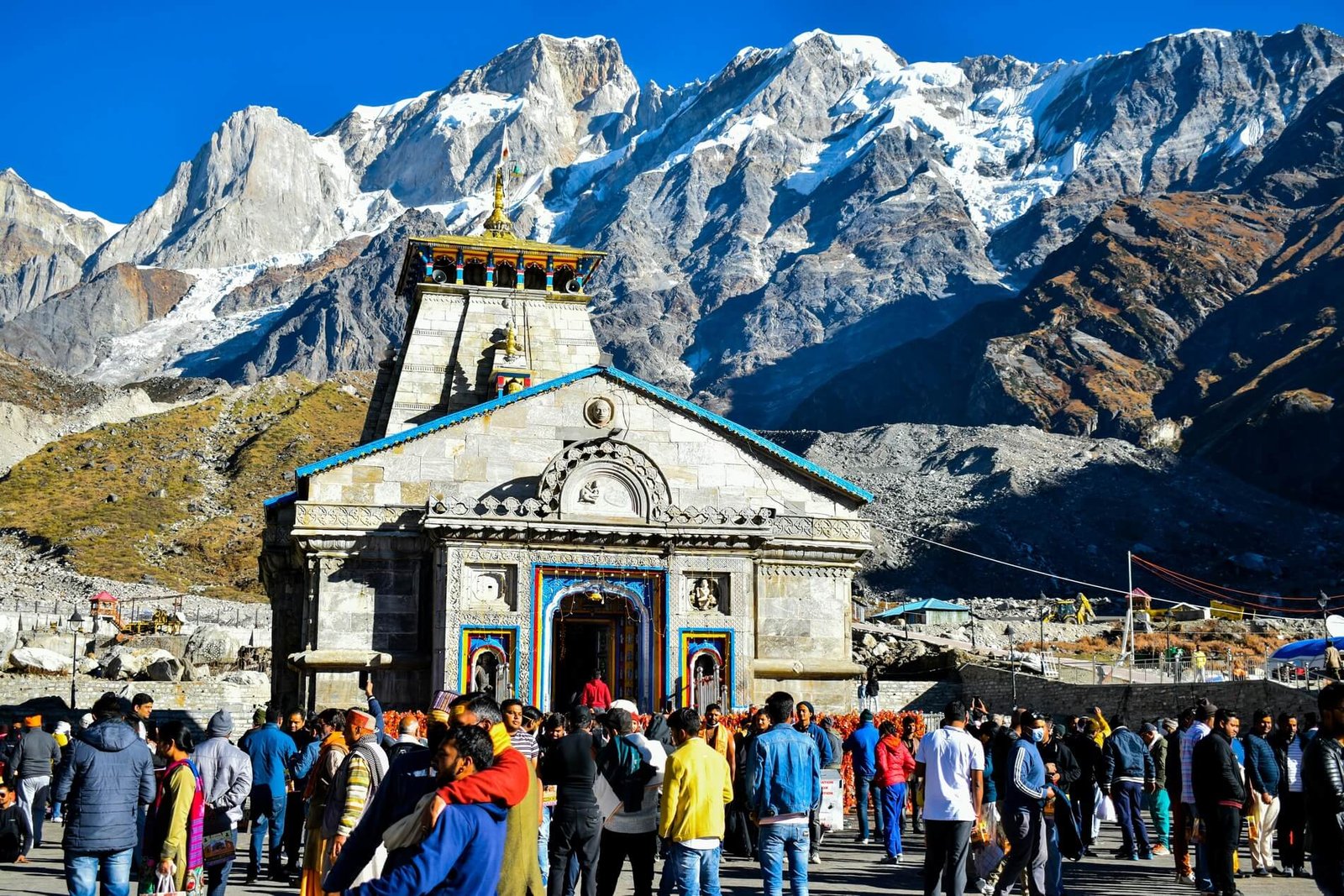
Tucked away amidst the snow-capped peaks of the Garhwal Himalayas in Uttarakhand, Kedarnath Temple stands as one of the most revered and mystical pilgrimage destinations in India. Dedicated to Lord Shiva, this ancient temple is not only one of the twelve Jyotirlingas but also a prominent stop on the Char Dham Yatra, drawing millions of devotees and spiritual seekers from across the world.
History and Legends
The origins of Kedarnath Temple date back over a thousand years, with legends tracing it to the Mahabharata era. According to mythology, after the great war of Kurukshetra, the Pandavas sought Lord Shiva to absolve their sins of killing their kin. Shiva, unwilling to meet them, disguised himself as a bull and disappeared into the ground at Kedarnath. His hump is believed to have appeared at the site of the temple, making it a sacred Jyotirlinga. The other parts of Shiva’s body appeared at four nearby places, forming the Panch Kedar pilgrimage circuit.
The current stone temple is believed to have been built by Adi Shankaracharya in the 8th century CE, atop an even older shrine believed to be established by the Pandavas.
Religious Significance
As one of the twelve Jyotirlingas, Kedarnath represents the eternal cosmic light of Lord Shiva. It’s also deeply associated with moksha (liberation) and penance. Devotees believe that a pilgrimage to Kedarnath cleanses one of sins and paves the path for spiritual awakening.
Furthermore, the temple is part of the Chota Char Dham Yatra in Uttarakhand (along with Badrinath, Yamunotri, and Gangotri), making it a spiritually transformative experience for Hindus.
Architecture and Design
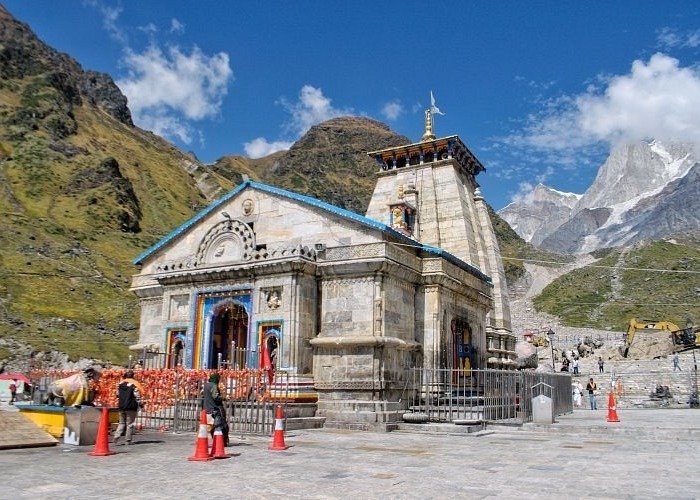
Kedarnath Temple is a marvel of ancient Himalayan architecture. Built using massive grey stone slabs, the temple stands at an altitude of 3,583 meters (11,755 feet) and is surrounded by snow for most of the year.
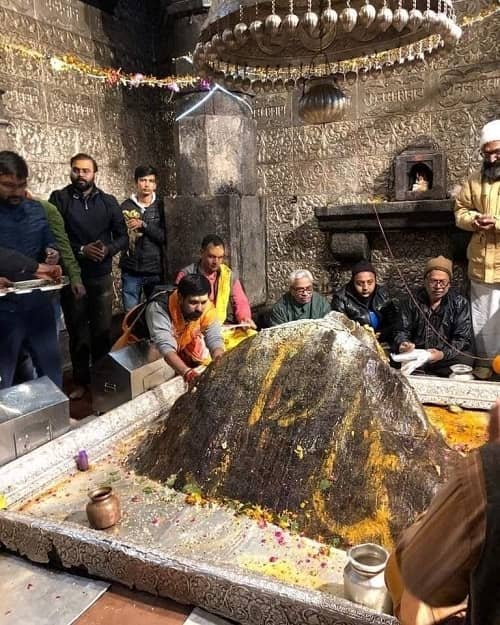
The sanctum sanctorum (garbhagriha) houses the irregularly shaped Jyotirlinga (a conical rock structure).
The temple’s structure, with its intricate carvings and stone walls, has remarkably withstood natural calamities—including the devastating 2013 floods.
A large Nandi bull sits facing the sanctum, guarding the temple entrance as Shiva’s divine vehicle.
The Pilgrimage Journey
The journey to Kedarnath is one of devotion, endurance, and breathtaking beauty. Pilgrims must trek 16 kilometers from Gaurikund, although helicopter services are now available for convenience. Along the route, devotees are surrounded by lush forests, cascading rivers, and majestic mountains.
Despite the challenges of high altitude and changing weather, the spiritual energy of the place keeps devotees motivated.
Unique Aspects of Kedarnath
Kedarnath is the highest Jyotirlinga among the 12 in India.
The Bhairavnath Temple, located nearby, is believed to protect Kedarnath Temple during winter when it’s closed.
The temple area is surrounded by significant peaks like Kedarnath Dome, Kedar Parvat, and Bharatekuntha.
Kedarnath survived the 2013 Uttarakhand floods miraculously, believed by many to be divine intervention.
Final Thoughts
Kedarnath Temple isn’t just a religious site; it’s an emotional and spiritual pilgrimage that connects one to the divine. Its majestic setting, historical roots, and unwavering faith make it one of the most soul-stirring places on earth. Whether you visit for worship, inner peace, or nature’s beauty—Kedarnath leaves an everlasting impression.
Standing strong through centuries and natural challenges, Kedarnath reminds us of the enduring power of faith and the eternal presence of Lord Shiva in the heart of the Himalayas.
Seeking Blessings at Kedarnath Temple?
Plan a serene spiritual getaway to Kedarnath Temple in Uttarakhand.